
Brooklyn’s real estate market keeps reshaping itself. Every year, new pockets of the borough surge in popularity while others cool off. In 2026, three neighborhoods stand out as the hottest neighborhoods in Brooklyn: Windsor Terrace, Carroll Gardens, and Fort Greene.
Recent data from StreetEasy confirms what local agents have been seeing on the ground. Search activity for these three areas jumped between 13% and 45% year-over-year. Buyer interest is climbing, rental demand is tightening, and inventory is moving faster than the borough average.
This guide breaks down exactly what makes each of these neighborhoods so popular right now, what the real numbers look like, and whether buying here still makes financial sense in today’s market.
In this Guide
Why These Three Brooklyn Neighborhoods Are Surging
The hottest neighborhoods in Brooklyn 2026 share a few traits that set them apart from the rest of the borough.
Proximity to green space. All three sit within walking distance of major parks. Windsor Terrace borders Prospect Park. Carroll Gardens connects to several pocket parks and community gardens. Fort Greene has its namesake 30-acre park right at the center.
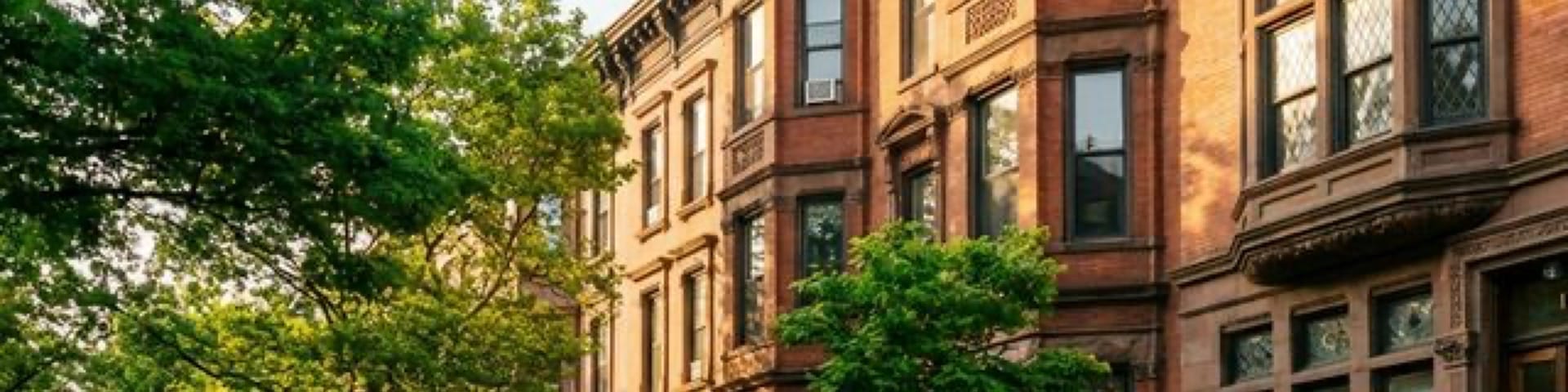
Architectural character. Brownstones and townhouses dominate the housing stock. Buyers moving away from glass-tower new construction in Downtown Brooklyn or Williamsburg are finding these tree-lined streets more appealing.
Relative value. While none of these neighborhoods qualify as “affordable” by national standards, they each offer something at a lower price point than their most expensive neighbors. Windsor Terrace costs roughly 35% less than Park Slope. Carroll Gardens gives buyers the brownstone experience without Cobble Hill’s premium. Fort Greene sits below Brooklyn Heights pricing.
Transit access. The F/G trains serve Windsor Terrace and Carroll Gardens. Fort Greene has access to nearly every subway line through the Atlantic Avenue-Barclays Center hub. Commute times to Manhattan average 20-35 minutes from all three areas.
Buyers searching for homes in Brooklyn are zeroing in on neighborhoods that offer lifestyle value, not just square footage. That shift explains why these three keep climbing the rankings.
Windsor Terrace: Brooklyn’s Best-Kept Secret Is Out
Market Snapshot
Windsor Terrace has quietly attracted attention for years, but 2026 marks the year it broke through. StreetEasy search data shows a 44.9% year-over-year jump in buyer searches for this neighborhood.
Here is what the numbers look like:
- Median asking price: $1.125 million
- Median asking rent: $3,800/month
- Year-over-year price change: -12.8% (steepest decline in Brooklyn, creating a buying window)
- Average days on market: 52
That price decline deserves attention. While some might read a 12.8% drop as a red flag, experienced buyers see it differently. Windsor Terrace prices surged during 2023-2024 beyond what the local market could sustain. The current correction brings valuations closer to fundamentals, making this one of the more attractive entry points in brownstone Brooklyn.
For context, nearby Park Slope sits at a median asking price of $1.723 million. That gap of nearly $600,000 gets buyers into the same school district, the same proximity to Prospect Park, and similar architectural quality.
What Makes Windsor Terrace Special
The Prospect Park edge. Windsor Terrace shares the longest border with Prospect Park of any Brooklyn neighborhood. Residents walk directly into the park from multiple entry points along Prospect Park Southwest and Prospect Park West. Morning joggers, weekend picnickers, and dog walkers all benefit.
Small-town feel. The commercial corridor along Prospect Park West and Windsor Place feels more like a village main street than a Brooklyn avenue. Local shops, a handful of restaurants, and community gathering spots create a neighborhood where people actually know each other.
Housing stock. The mix includes attached brick rowhouses, limestone-fronted townhouses, and a handful of small co-op and condo buildings. Most homes date from the 1890s through the 1920s, offering original details like pocket doors, decorative moldings, and hardwood floors.
School quality. PS 154, the zoned elementary school, consistently ranks among Brooklyn’s best public schools. Families moving from Manhattan often cite school quality as their primary motivator for choosing Windsor Terrace.
Who Is Buying Here
The typical Windsor Terrace buyer fits a specific profile: young families aged 30-42 with dual incomes, often relocating from smaller apartments in Park Slope or Prospect Heights. They want a house with a backyard, good schools in the district, and the ability to walk to the park without crossing major avenues.
First-time buyers entering the Brooklyn market should explore affordable Brooklyn neighborhoods to compare options across the borough.
Carroll Gardens: Brownstone Brooklyn at Its Finest
Market Snapshot
Carroll Gardens saw 44.4% growth in StreetEasy search activity, nearly matching Windsor Terrace. The numbers tell a story of premium positioning:
- Median asking price: $2.595 million
- Median asking rent: $4,500/month
- Year-over-year rent change: Stable
- Average days on market: 41
This is the most expensive neighborhood on the “hottest” list, but buyers are not deterred. The combination of historic architecture, outdoor space, and neighborhood character creates demand that outpaces most of Brooklyn.
According to Redfin, Carroll Gardens homes receive multiple offers within the first two weeks of listing. Properties priced correctly sell at or above asking price.
What Makes Carroll Gardens Special
The gardens. Carroll Gardens gets its name from the deep front gardens that set homes back from the sidewalk. City planner Richard Butts designed these unusually deep lots in the 1840s, creating a streetscape unique in all of New York City. Mature trees, iron fences, decorative plantings, and stone stoops line every block.
Food and dining. Smith Street and Court Street form a restaurant corridor that rivals any in Brooklyn. Italian-American heritage restaurants sit beside modern bistros, specialty coffee shops, and artisan bakeries. Lucali, the famous coal-oven pizza spot, draws visitors from across the city.
Community stability. Carroll Gardens maintains one of Brooklyn’s highest rates of long-term residency. Multi-generational Italian-American families still make up a significant portion of the population, creating a neighborhood culture that welcomes newcomers while preserving traditions.
Outdoor living. Carroll Park offers playgrounds, courts, and green space. The neighborhood connects to the Columbia Street Waterfront District and its Red Hook-adjacent parks. The proximity to Governors Island ferry service in warmer months adds another recreational dimension.
Buyers comparing neighborhoods should read the Brooklyn real estate market guide for borough-wide context on pricing trends and inventory levels.
Who Is Buying Here
Carroll Gardens attracts established professionals and growing families with household incomes above $250,000. Many buyers are upgrading from smaller condos in Cobble Hill or Boerum Hill. The $2.5M+ price point filters for committed buyers who plan to stay for a decade or more.
Fort Greene: Culture, History, and Rising Demand
Market Snapshot
Fort Greene rounds out Brooklyn’s hottest trio with strong across-the-board growth:
- Median asking price: $1.863 million (+13% YoY)
- Median asking rent: $4,500/month (+13% YoY)
- Search activity growth: Significant increase (top-tier across Brooklyn)
- Average days on market: 38
The 13% increase in both sale prices and rents signals genuine demand growth, not speculative pricing. When rents and sale prices move together, it suggests the market is responding to real occupancy pressure rather than investor activity.
Data from Zillow shows Fort Greene home values appreciating steadily, with projections of continued growth through 2027.
What Makes Fort Greene Special
Fort Greene Park. This 30-acre Frederick Law Olmsted and Calvert Vaux-designed park anchors the neighborhood. The Prison Ship Martyrs’ Monument stands at its highest point. The park hosts a year-round Saturday greenmarket, drawing residents from across Brooklyn.
Cultural institutions. BAM (Brooklyn Academy of Music) sits at the southern edge. The Mark Morris Dance Center, BRIC Arts, and the Museum of Contemporary African Diasporan Arts (MoCADA) all call Fort Greene home. This concentration of arts organizations creates a cultural density rare outside Manhattan.
Architectural range. While brownstones dominate the historic core, recent rezonings along Flatbush Avenue and Atlantic Avenue introduced modern condo and rental developments. Buyers can choose between a restored 1870s townhouse and a brand-new full-service building within a few blocks of each other.
Transit hub. Atlantic Avenue-Barclays Center station connects Fort Greene to nearly every subway line in the system. The LIRR provides direct service to Long Island. This transit access makes Fort Greene one of the best-connected neighborhoods in all five boroughs.
Buyers weighing Manhattan vs Brooklyn often land in Fort Greene because it offers Manhattan-level connectivity with Brooklyn-level space and character.
Who Is Buying Here
Fort Greene draws a diverse buyer pool: creative professionals, tech workers, academics, and families. The neighborhood’s racial and economic diversity remains one of its defining qualities. Buyers range from first-time purchasers picking up studio co-ops near DeKalb Avenue to families acquiring four-story brownstones near the park.
How These Neighborhoods Compare
| Category | Windsor Terrace | Carroll Gardens | Fort Greene |
|---|---|---|---|
| Median asking price | $1.125M | $2.595M | $1.863M |
| Median asking rent | $3,800 | $4,500 | $4,500 |
| Search growth (YoY) | +44.9% | +44.4% | +13% (prices) |
| Days on market | 52 | 41 | 38 |
| Park access | Prospect Park | Carroll Park + waterfront | Fort Greene Park (30 acres) |
| Transit | F/G | F/G | Nearly all lines |
| Best for | Families, value seekers | Established buyers, foodies | Commuters, culture lovers |
Other Brooklyn Neighborhoods to Watch in 2026
While the top three grab headlines, several other Brooklyn neighborhoods show momentum heading into 2026.
Prospect Heights: The Brooklyn Museum and Botanic Garden anchor this neighborhood. Median prices sit between Windsor Terrace and Fort Greene levels, offering a middle-ground option.
Greenpoint: Waterfront development continues to transform this former industrial neighborhood. New construction brings modern amenities, while Polish heritage adds unique character.
Clinton Hill: Adjacent to Fort Greene, Clinton Hill offers similar brownstone charm at slightly lower price points. Pratt Institute adds a creative community element.
Ditmas Park: Victorian and Colonial homes on tree-lined streets create a suburban feel within the borough. Prices remain below the brownstone Brooklyn average.
Bay Ridge: Waterfront views, family-oriented culture, and median prices under $900,000 make Bay Ridge an attractive option for buyers priced out of central Brooklyn.
Understanding the full Brooklyn real estate market helps buyers identify where to focus their search based on budget and priorities.
What Buyers Should Know Before Making a Move
Timing the Market
Brooklyn’s spring selling season typically starts in late February and peaks in May. Buyers who begin their search now get ahead of the spring rush. Properties listed in March and April tend to attract the most competition, so starting searches during winter months gives buyers a strategic advantage.
The best time to sell a house in NY data also helps buyers understand when inventory peaks and competition eases.
Financing Considerations
Mortgage rates in early 2026 sit around 6.2%, with Fannie Mae projecting a gradual decline toward 5.9% by year-end. For a $1.5M property with 20% down, that rate difference saves approximately $250/month on the mortgage payment.
Brooklyn buyers should understand the mortgage prequalification vs preapproval process before touring properties. Sellers in competitive neighborhoods like Carroll Gardens and Fort Greene expect preapproval letters with offers.
Working With a Local Agent
The hottest neighborhoods in Brooklyn 2026 move fast. Properties in Fort Greene average just 38 days on market. Carroll Gardens moves even faster for correctly priced homes. Having a knowledgeable agent who tracks pocket listings and upcoming inventory gives buyers a real edge.
Contact Robert DeFalco Realty for guidance on buying in Brooklyn’s most competitive neighborhoods.
Investment Outlook: Will These Neighborhoods Keep Appreciating?
The data supports continued growth in all three neighborhoods, though at different rates.
Windsor Terrace offers the best value play. The current price correction creates an entry point below long-term trend values. As more buyers discover the neighborhood, prices should revert toward Park Slope comparables.
Carroll Gardens will likely see slower appreciation given its already-premium pricing. The limited housing stock (mostly townhouses that rarely turn over) keeps supply constrained, supporting price stability.
Fort Greene has the strongest momentum with 13% annual appreciation in both sales and rentals. The continued development along Atlantic Avenue adds housing units, but demand currently outpaces supply.
Brooklyn as a whole saw moderate appreciation of 3-6% projected for 2026, according to UrbanDigs. The hottest neighborhoods in Brooklyn 2026 should outperform this average.
Investors evaluating Brooklyn alongside other markets should compare NJ property tax vs NY to understand total cost of ownership differences.
Frequently Asked Questions
What are the hottest neighborhoods in Brooklyn for 2026?
Windsor Terrace, Carroll Gardens, and Fort Greene top the list for 2026. StreetEasy data shows buyer search activity jumping 44.9% in Windsor Terrace and 44.4% in Carroll Gardens. Fort Greene saw 13% appreciation in both sales prices and rents year-over-year.
Why is Windsor Terrace so popular right now?
Windsor Terrace borders Prospect Park, shares Park Slope’s school district, and costs roughly $600,000 less at the median. A 12.8% price correction from 2024 highs creates a buying window that value-focused families are capitalizing on.
How much do homes cost in Carroll Gardens?
The median asking price in Carroll Gardens stands at $2.595 million. Most sales involve brownstones and townhouses with deep front gardens. Rental prices average $4,500/month, reflecting the premium positioning of this historic neighborhood.
Is Fort Greene a good investment?
Fort Greene shows strong investment fundamentals with 13% annual appreciation in both sale prices and rents. The neighborhood benefits from exceptional transit access, cultural institutions like BAM, and a 30-acre park. Location and demand drivers suggest continued growth.
Which Brooklyn neighborhood is best for families?
Windsor Terrace ranks highest for families among the hottest neighborhoods in Brooklyn 2026. PS 154 provides strong public school options. The direct access to Prospect Park and the quieter residential streets appeal to parents with young children.
Are Brooklyn home prices expected to keep rising?
Brooklyn is projected to see 3-6% appreciation across the borough in 2026. The hottest neighborhoods will likely outperform this average. Limited housing stock, strong demand, and improving mortgage rates all support continued price growth.
What is the average rent in Fort Greene Brooklyn?
Median asking rent in Fort Greene reached $4,500/month in early 2026, a 13% increase year-over-year. One-bedroom apartments typically start around $2,800, while two-bedrooms average $3,800-$4,200.
How do I compete in a hot Brooklyn market?
Get mortgage preapproval before starting your search. Work with an agent who specializes in your target neighborhood. Be prepared to make decisions within 24-48 hours of viewing. In Carroll Gardens and Fort Greene, homes average just 38-41 days on market.
Should I buy a co-op or condo in Brooklyn?
The answer depends on your priorities. Co-ops generally cost 20-30% less than condos per square foot but come with board approval requirements and stricter subletting rules. Condos offer more flexibility but at higher prices. Understanding HOA vs co-op fees helps clarify the financial differences.
Is Brooklyn better than Manhattan for first-time buyers?
Brooklyn offers more space per dollar, lower entry points for homeownership, and strong community character. First-time buyers often find their budget stretches further in neighborhoods like Windsor Terrace or Greenwood Heights compared to comparable Manhattan locations.