
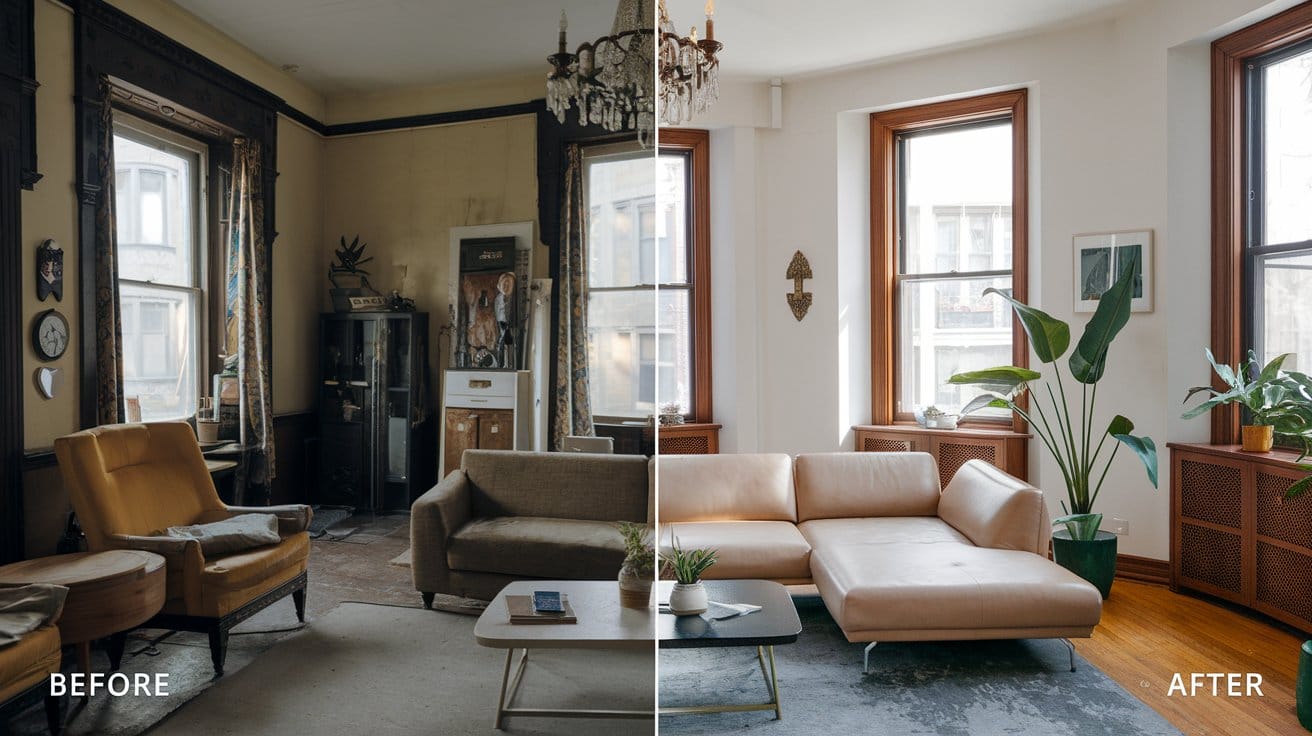
Buying a home in New York means asking the right questions up front. You need to protect your investment, and that starts with being thorough. Here are the questions to ask when buying a house in New York, based on what experienced local realtors see every day and current market data. According to StreetEasy, 34% of homebuyers report purchase regrets. These questions will help you avoid becoming part of that statistic.
Before you start your search, learn about first-time homebuyer programs available in New York that can help reduce your upfront costs.

This comprehensive guide covers the most important questions to ask when buying a house in New York’s five boroughs, organized into five crucial categories:
- Property Condition & History Questions: Essential for New York’s aging housing stock (75% pre-war buildings)
- Financial & Cost Questions: Covering NYC-specific taxes, fees, and maintenance costs
- Neighborhood & Location Questions: Critical for property value and quality of life
- Seller-Specific Questions: Key information about property history and current status
- Inspection & Technical Questions: Focused on common NYC property issues
Each section provides detailed questions with context about why they’re particularly important for New York’s real estate market, along with typical costs and considerations specific to NYC properties.
Questions About the Property
Single-family home or condo, these questions about the property matter. They’ll guide your search and keep you from making expensive mistakes.
1. What is the condition of the house?
- Pre-war buildings (built before 1940) make up 75% of NYC’s housing stock
- Common issues include outdated plumbing, electrical systems, and structural concerns
- Brownstone maintenance requires specialized knowledge and contractors
Importance: Critical for budgeting future repairs and understanding true ownership costs in New York’s aging housing stock.
2. Are there any recent renovations?
- Unpermitted work common in Brooklyn brownstones
- Retroactive permits can cost $5,000-$15,000
- Co-op and condo renovations require board approval
If you’re considering a Manhattan co-op, read our guide on Manhattan co-op board approval to understand what boards look for during the application process.
Importance: Affects property value, future renovation possibilities, and potential legal issues with NYC Department of Buildings.
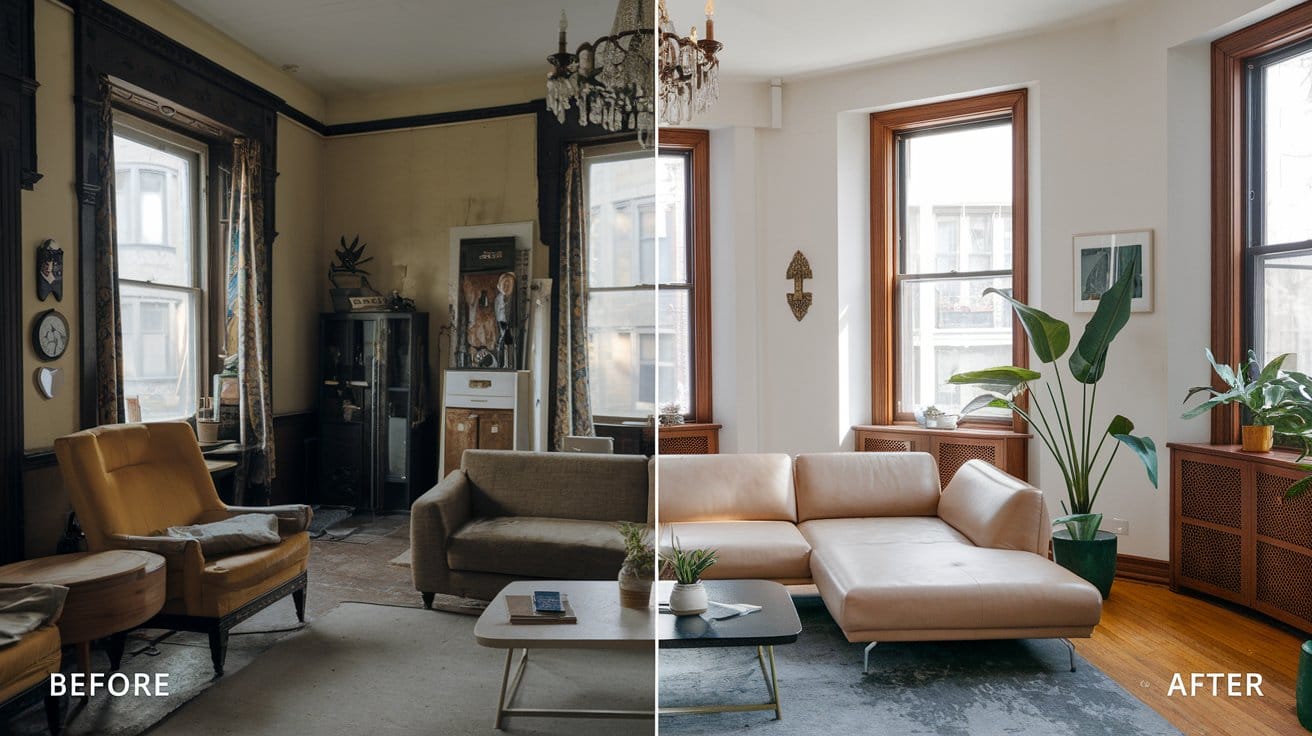
3. What is the age of key systems?
- HVAC systems and air conditioning units last 15-20 years in NY climate
- Major components like the water heater and heating systems cost in the range of $5,000-$15,000
- Electrical wiring updates costs in pre-war buildings range between $10,000-$25,000
Importance: Critical for harsh NY winters and high-cost replacement planning.
4. Are there any known issues?
- Water damage common in basement apartments
- Foundation issues prevalent in older homes
- Pest control essential (rodents common in urban areas)
Importance: Affects habitability, insurance costs, and future resale value.
5. What is the history of ownership?
- Pre-war buildings often have complex ownership histories
- Co-op buildings require detailed ownership records
- Multiple owners in short periods may indicate issues
Importance: Critical for understanding property maintenance history and potential hidden issues, especially in NYC’s aging housing stock.
Questions About the Neighborhood
6. What amenities are nearby?
- Transit access matters for property values
- Second Avenue Subway increased nearby property values by 10%
- Being within walking distance of parks adds 10-15% to home prices
Why this matters: Your quality of life depends on what’s nearby. Good amenities also mean better property appreciation.
7. How is the local school system?
- School zones significantly affect property values
- Top districts (e.g., District 2 in Manhattan) command 25% premium
- Private school proximity matters in specific neighborhoods
See our NYC and NJ school district rankings guide to understand how schools impact home values across the region.
Importance: Critical for families and resale value, particularly in family-oriented neighborhoods.
8. Are there any safety concerns?
- Crime rates vary significantly by neighborhood
- Security systems reduce break-ins by 70%
- Building security features command premium prices
Importance: Essential for urban living and property value stability.
9. How is the traffic and noise level?
- Proximity to major arteries affects property values
- Double-pane windows standard for noise reduction
- Air rights and future development can impact light/air
Importance: Significant impact on quality of life in dense urban environment.
10. Are there any future developments planned?
- Major developments like Hudson Yards impact surrounding values
- Zoning changes can affect neighborhood character
- Infrastructure projects (e.g., Second Avenue Subway) lift values 5-15%
Importance: Future developments can significantly impact property values and quality of life in dense urban areas.
Questions about Financial Aspects
You need to understand your monthly mortgage payment, current interest rates, and financing options before you commit. Working with a mortgage broker or lender early helps clarify your credit situation and debt-to-income ratio. Start by asking these questions:
11. What are the property taxes?
- NYC: 0.9%-1.4% average
- Westchester: 2.2% average
- Tax abatements common in new developments
Compare New Jersey property taxes vs New York to see how much you could save by looking across state lines.
Importance: Major factor in monthly housing costs; varies significantly by location.
12. Are there any HOA fees?
- Homeowners association fees: $800-$2,000+ monthly
- Special assessments common for building improvements
- Maintenance fees typically higher in older buildings
- Additional costs may include homeowners insurance premiums
Learn more about HOA vs co-op fees in NYC to understand what you’re really paying for each month.
Importance: Often equals or exceeds mortgage payments in NYC buildings.
13. What are the utility costs?
- Average utility bills: $500-$700
- Winter heating costs spike significantly
- Energy-efficient home features can reduce cost of utilities
Importance: Significant monthly expense, especially in pre-war buildings.
14. Are there any additional maintenance expenses?
- Brownstone maintenance costs average $10,000-$15,000 annually
- Historic district properties require specialized maintenance
- Facade inspection (Local Law 11) costs for buildings over 6 stories
Importance: Crucial for budgeting in NYC’s unique housing stock with specific maintenance requirements.
15. Is the house within budget?
- Closing costs 2-4% higher than national average
- NYC Mansion Tax applies to properties over $1 million
- Co-op/condo reserve fund contributions often required
Read our NYC Mansion Tax complete guide to calculate exactly how much you’ll owe at closing.
Importance: Essential for understanding true ownership costs in one of America’s most expensive markets.
Questions to Ask the Seller
16. Why is the house being sold?
- Estate sales common in established neighborhoods
- Corporate relocations frequent in Manhattan
- Development pressure in changing neighborhoods
Importance: Understanding motivation can affect negotiating position and reveal potential issues.
17. How long has it been on the market?
- Average NYC property sells in 10-30 days
- Seasonal market fluctuations (slower in winter)
- Properties over 90 days often indicate pricing issues
Importance: Critical for negotiation strategy in competitive market.
18. Are there any offers currently?
- Competitive properties sell in 10-30 days
- Multiple offer situations common in desirable areas
- Cash offers often preferred in co-op buildings
Importance: Affects negotiating strategy and offer timing.
19. What’s included in the sale?
- Appliances often included in NYC apartments
- Window treatments typically stay in co-ops/condos
- Building amenities need clear documentation
Importance: Affects move-in costs and immediate needs.
20. Can any repairs be negotiated?
- Co-op/condo boards may restrict repair timing
- Landmark properties have specific repair requirements
- Union labor requirements can affect costs
Importance: Impacts purchase price and immediate renovation possibilities.
Questions for Home Inspection
A comprehensive home inspection examines all major systems and spots problems before they become expensive surprises. Pay attention to these areas:
21. Are there structural issues?
- Brownstone facade issues common ($50,000+ repairs)
- Settlement common in older buildings
- Party wall concerns in attached houses
Importance: Critical for safety and future maintenance costs.
22. Is there evidence of water damage?
- Basement flooding and external water issues common in certain areas
- Flood damage affects 30% of pre-war buildings
- Consider flood insurance requirements
- Water damage in adjacent units can affect your property
If the property is in a flood-prone area, read our guide on buying a home in a flood zone before making an offer.
Importance: Major concern in attached housing and older buildings.
23. Are there pest infestations?
- Rodent issues common in urban areas
- Bed bugs reportable by law
- Termites less common than southern states
Importance: Health, safety, and quality of life issue.
24. Is the electrical system safe?
- Knob-and-tube wiring common in pre-war buildings
- Updates cost $10,000-$25,000
- Local Law 87 energy audit requirements
Importance: Safety critical; affects insurance rates.
25. Are there plumbing concerns?
- Lead pipes common in pre-1960 buildings
- Stack lines shared in apartment buildings
- Water pressure issues in upper floors
Importance: Affects daily living and potential repair costs.
The Real Estate Process
Important Steps for New York Homebuyers
- Work with a real estate attorney to review documents.
- Secure mortgage pre-approval before house hunting.
- Understanding Rate locks and earnest money requirements.
- Review comparative market analysis for fair price assessment.
- Consider FHA (Federal Housing Administration) loans for first-time home buyers.
New to the process? Our home buying process timeline for Staten Island walks you through each step from offer to closing.
Tips for Communicating with Sellers
Talking with the seller can feel awkward, especially if this is your first home purchase. But asking questions isn’t optional. Sellers expect it. Good real estate agent (see our buyer’s agent guide for NY and NJ)s make it happen.
Effective Communication Strategies
- Be Prepared:
- Research comparable sales in the neighborhood
- Understand building-specific requirements (co-op/condo)
- Have mortgage pre-approval ready
- Professional Approach:
- Work through proper channels (especially in co-ops)
- Respect building protocols
- Maintain written communication records
- Time Management:
- Quick response times crucial in competitive market
- Schedule viewings promptly
- Meet deadlines for board applications
- Negotiation Tips:
- Focus on market data
- Understand seller motivations
- Be prepared for multiple offer situations
Conclusion
When buying in Staten Island or any New York borough, these questions matter more than ever. The market is complex, and the stakes are high. Working with Robert DeFalco Realty helps you navigate local requirements that trip up buyers who go it alone.
If you’re comparing markets, check out our New Jersey housing market analysis alongside New York options. Thorough due diligence protects you from expensive surprises. Ask these questions and document the answers before you commit.