
Arden Heights Staten Island: Complete Neighborhood Guide 2026
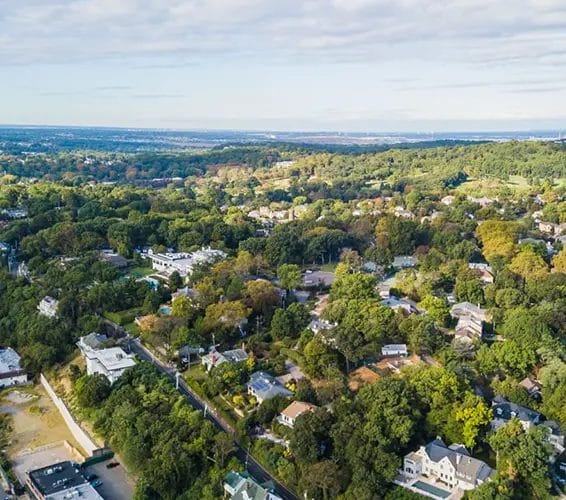
Named after the idyllic woodland in Shakespeare’s “As You Like It,” Arden Heights Staten Island offers a refreshing blend of suburban tranquility and urban accessibility that appeals to families, young professionals, and retirees alike. With a population of approximately 20,800 residents and a dense suburban character, the area has evolved into one of Staten Island’s most distinctive communities.
After helping hundreds of families find homes across Staten Island at Robert DeFalco Realty, I’ve seen this neighborhood attract buyers seeking value, community amenities, and reasonable commutes to Manhattan. This guide breaks down everything you need to know about living here, from real estate market conditions to schools, transportation, and local lifestyle.
Table of Contents
Location and Boundaries
The neighborhood sits on Staten Island’s South Shore, bordered by Annadale to the east, Huguenot to the south, Rossville and the Arthur Kill waterway to the west, and Fresh Kills to the north. This positioning provides residents with both waterfront proximity and access to extensive green spaces.
The area centers around Arthur Kill Road and Arden Avenue, which serve as the main commercial corridors. Richmond Avenue runs along the eastern border, connecting residents to the rest of Staten Island and providing access to the Staten Island Mall just three miles north.
Housing Market and Real Estate Trends
Current Market Conditions
The median sale price over the last 12 months sits at $665,000, representing a 3% increase from the previous year according to Redfin market data. Homes sell after an average of 48 days on the market, which is faster than the national average of 53 days.
This quicker sales pace reflects the neighborhood’s appeal to buyers who appreciate the combination of affordability (relative to other NYC areas) and quality housing stock. The market remains competitive but less frenzied than neighborhoods closer to the Staten Island Railway stations.
Townhome Communities: Village Greens vs. Aspen Knolls
Two major planned developments dominate the housing landscape, each offering distinct advantages:
Village Greens was constructed in the early 1970s as Staten Island’s first homeowner association community. This pioneering development introduced townhouse living with shared amenities including two Olympic-sized swimming pools, tennis courts, baseball and basketball facilities, shaded picnic areas, and beautiful walking paths. The community features well-maintained grounds and a strong sense of community among long-term residents.
Properties in Village Greens typically range from $550,000 to $750,000 depending on size, condition, and specific location within the development. Homeowner association fees average $300-400 monthly but cover extensive amenities and exterior maintenance.
Aspen Knolls, built between 1995 and 2006, offers 944 single-family houses making it one of Staten Island’s largest housing developments. This newer community features brick and vinyl siding townhomes at generally more affordable prices than Village Greens, with properties typically priced from $500,000 to $650,000.
Aspen Knolls attracts first-time buyers and families looking for modern construction with lower maintenance requirements. The development houses approximately 4,000 residents and maintains a family-friendly atmosphere with good schools nearby.
Single-Family Homes
Beyond the major developments, the neighborhood includes traditional single-family homes, particularly in the sections bordering Annadale. These properties typically sit on larger lots and offer more privacy than townhomes, with prices ranging from $650,000 to over $1 million for updated homes.
Single-family properties here appeal to buyers seeking more space, private yards, and the flexibility to customize their homes without HOA restrictions. Inventory for these homes remains limited, as many families stay long-term.
Investment Perspective
For buyers considering the area as an investment or long-term residence, several factors support property values:
- Proximity to expanding Freshkills Park adds significant future value potential
- Well-established communities with strong HOAs maintain property standards
- Good schools and low crime attract stable, long-term residents
- Limited new construction means supply remains constrained
Review our comprehensive guide on buying a home in Staten Island for broader market context.
Schools and Education
Education quality stands out as one of the neighborhood’s strongest selling points. According to Niche.com rankings, local public schools earn high marks.
Public Schools
PS 4 Maurice Wollin serves elementary students and receives an A-minus rating from Niche. The school emphasizes STEM education and offers extended-day programs that working parents appreciate. Student-teacher ratios remain reasonable, and standardized test scores consistently exceed city averages.
IS 75 Frank D. Paulo provides middle school education with an A rating. The school offers advanced placement options, arts programs, and competitive sports teams. Many families specifically choose this neighborhood for access to IS 75’s strong academic reputation.
Tottenville High School serves the area for grades 9-12. As Staten Island’s southernmost high school, Tottenville offers comprehensive college prep programs, AP courses, and diverse extracurricular activities. The school’s graduation rates and college acceptance numbers make it a draw for education-focused families.
Students can also attend PS 42 The Eltingville School depending on specific address locations within the neighborhood boundaries.
Private School Options
Families seeking private education have several nearby choices:
- St. Clare School (Catholic elementary)
- Our Lady Star of the Sea (Catholic K-8)
- Eltingville Lutheran School
- The Rabbi Jacob Joseph School
The combination of strong public schools and accessible private options gives families flexibility in educational choices.
Parks and Recreation
Freshkills Park
The neighborhood’s western border touches Freshkills Park, a transformative project converting the former world’s largest landfill into what will become New York City’s second-largest park (larger than Central Park). While still under development, opened sections already offer hiking trails, bird watching opportunities, and stunning views of the Arthur Kill waterway.
As more sections open in coming years, property values near the park are likely to appreciate significantly. Early buyers in the neighborhood position themselves to benefit from this massive green space addition.
Staten Island Greenbelt
Just minutes away, the Staten Island Greenbelt provides 2,800 acres of connected natural areas with hiking trails, picnic areas, and nature preserves. Outdoor enthusiasts regularly use these trails for running, cycling, and nature photography.
The Greenbelt includes Arden Heights Woods, a preserved natural area within the neighborhood itself. These woods offer residents immediate access to nature without leaving their community.
Community Recreation
Village Greens residents enjoy private access to two Olympic-sized swimming pools, tennis courts, and maintained green spaces. These amenities create strong community bonds as neighbors gather for summer pool days and organized activities.
Local parks include smaller neighborhood playgrounds and sports fields where youth leagues play baseball, soccer, and other organized sports.
Transportation and Commuting
Express Bus Service
The neighborhood’s primary connection to Manhattan comes through express bus routes. Several lines serve the area:
- X17, X17C, X17J: Express service to Midtown Manhattan
- X19: Additional Manhattan express route
- X23: Peak-hour express service
These express buses typically take 40-50 minutes to reach Midtown during off-peak hours, though rush hour commutes can extend to 60-75 minutes depending on traffic conditions. Buses run frequently during commuting hours but have limited evening and weekend service.
Local Bus Routes
Local bus service includes:
- S55: Connects to Annadale Staten Island Railway station
- S56: Runs along Arthur Kill Road
- S74: Provides crosstown service
The S55 bus is particularly important as it connects residents to the Annadale SIR station, where they can catch the rail line to St. George Ferry Terminal for Manhattan access.
Driving and Parking
For car owners, the neighborhood offers relatively easy access to major roadways:
- Richmond Avenue: Quick access north to the Staten Island Expressway
- Arthur Kill Road: Connects to the Outerbridge Crossing for New Jersey
- Hylan Boulevard: Alternative route for reaching the Verrazano-Narrows Bridge
Most homes include private parking (driveways for single-family homes, dedicated spots for townhomes), eliminating the parking challenges common in denser NYC neighborhoods. Street parking is generally available but can be tight near the commercial corridors.
Real-World Commute Scenarios
For Manhattan workers: Plan for 60-90 minutes door-to-door during rush hour using express buses. Having a car helps for getting to the bus stop and running errands, though some residents walk or bike to bus stops from nearby areas.
For New Jersey workers: The Outerbridge Crossing provides direct access to New Jersey highways, making this neighborhood convenient for those working in New Jersey. Commutes to central New Jersey locations typically run 30-45 minutes.
For local Staten Island employment: Many residents work elsewhere on Staten Island and enjoy short 10-20 minute commutes to jobs in healthcare, retail, and local businesses.
Shopping and Dining
Local Commercial Areas
Arthur Kill Road and Arden Avenue form the neighborhood’s commercial spine, featuring:
- Local supermarkets (Key Food, Aldi)
- Pizzerias and Italian restaurants
- Cafés and coffee shops
- Fitness centers and yoga studios
- Banks and service businesses
- Medical offices and pharmacies
This local commercial presence means residents can handle daily errands without traveling far from home. The businesses here maintain a distinctly local feel rather than chain-dominated commercial strips.
Staten Island Mall
Located less than 3 miles north on Richmond Avenue, the Staten Island Mall serves as the borough’s primary shopping destination. The mall includes major department stores (Macy’s, JCPenney), specialty retailers, dining options, and a movie theater.
The mall’s proximity makes it convenient for residents to access a full range of shopping, dining, and entertainment without leaving Staten Island.
Nearby Dining Options
While the immediate neighborhood skews toward casual dining (pizzerias, delis, takeout spots), nearby areas offer more diverse options:
- Hylan Boulevard in New Dorp and Oakwood features upscale Italian restaurants
- Arthur Kill Road south toward Huguenot includes seafood restaurants
- Richmond Avenue provides chain restaurants and family dining
Most residents supplement local dining with trips to other Staten Island neighborhoods for special occasions or specific cuisines.
Community and Lifestyle
Demographics and Character
The population of approximately 20,800 residents creates a dense suburban atmosphere. According to Homes.com demographic data, the area attracts a mix of families, young professionals, and retirees.
The two major developments (Village Greens and Aspen Knolls) foster strong community connections through shared amenities and HOA activities. Residents often know their neighbors and participate in community events, block parties, and informal gatherings at pools and parks.
What Residents Appreciate
After working with dozens of buyers and sellers in this area, I consistently hear residents praise:
- Safety and quiet streets: Lower crime rates than many NYC neighborhoods
- Community feel: Especially strong in the planned developments
- Green spaces: Abundant parks and nature preserves
- Value: More affordable than many Staten Island neighborhoods while maintaining quality
- Schools: Strong public school performance
- Family-friendly: Safe streets, good schools, and recreational amenities
Lifestyle Considerations
This neighborhood suits buyers who:
- Prioritize space and suburban character over urban density
- Don’t mind commuting to Manhattan (or work on Staten Island/New Jersey)
- Appreciate community amenities and HOA-maintained common areas
- Value good schools and family-friendly environments
- Want to own rather than rent
It may not suit those who:
- Need immediate subway access or very short Manhattan commutes
- Prefer walkable urban neighborhoods with nightlife and diverse dining
- Want to avoid HOA fees and rules (in the major developments)
- Require frequent reverse commutes to outer boroughs
Safety and Crime Statistics
The neighborhood scores favorably on safety metrics. While one source reports a 2 out of 10 on the Cap Crime Index (below the national average of 4), this scoring system can be misleading. In practical terms, residents consistently report feeling safe, and serious crime remains uncommon.
Like most Staten Island neighborhoods, basic precautions (locking doors, securing valuables) suffice. The strong community presence in the planned developments adds an extra layer of security through engaged neighbors who watch out for each other.
Buying Strategy and Market Timing
Best Times to Buy
Based on Staten Island market patterns:
- Winter (December-February): Fewer buyers mean less competition and motivated sellers. Review our guide on buying a home in winter for detailed strategies.
- Fall (September-November): Moderate inventory with decreasing competition as summer buyers exit the market
- Spring/Summer: More inventory but also peak competition, especially for homes near better schools
What to Look For
When touring properties in this neighborhood:
In Village Greens:
- Ask about recent HOA assessments and reserve fund status
- Check if the specific unit has been updated (many retain 1970s kitchens/bathrooms)
- Understand which amenities you’ll actually use before valuing them in your offer
- Review HOA rules, especially regarding rentals if you might relocate
In Aspen Knolls:
- Inspect for builder quality issues common in 1990s-2000s construction
- Check heating/cooling system age and efficiency
- Understand HOA fees and what they cover
- Ask about noise between units (sound insulation varies)
For single-family homes:
- Get full property surveys to confirm lot lines and easements
- Budget for ongoing maintenance (no HOA to handle exterior work)
- Check property tax history and any recent assessments
- Understand drainage and grading (important in Staten Island)
Financing Considerations
Most buyers here use conventional mortgages with 10-20% down payments. FHA loans work for qualified buyers, especially on properties under $650,000. Review mortgage prequalification vs preapproval in NY/NJ before starting your search.
Property taxes in Staten Island run lower than other NYC boroughs but higher than New Jersey suburbs. Compare using our NJ property tax vs NY comparison calculator if you’re considering both markets.
Comparing to Other Staten Island Neighborhoods
vs. Tottenville
Tottenville offers more traditional suburban character with larger lots and older housing stock. It typically commands higher prices ($700,000+ median) but provides direct SIR access and waterfront charm. Read our detailed Tottenville buying guide for comparison.
vs. Great Kills
Great Kills provides waterfront access and SIR connectivity but at premium prices. The neighborhood here offers similar suburban character at lower price points with comparable schools.
vs. Annadale
Annadale borders the neighborhood to the east and shares similar characteristics. Annadale has the SIR station advantage but smaller inventory of townhome communities. Some sources consider the two neighborhoods overlapping.
vs. New Dorp
New Dorp offers more diverse housing stock and commercial development but less cohesive community feel. Prices run comparable, but New Dorp lacks the large planned communities that define the character here.
Future Developments and Trends
Several factors point to continued stability and potential appreciation:
Freshkills Park Expansion
As more sections of Freshkills Park open, property values near the park should benefit. This represents one of the largest urban park developments in the country, and early research suggests significant positive impact on nearby property values.
Infrastructure Improvements
Richmond Avenue sees ongoing commercial development, improving retail and dining options for residents. The Staten Island Expressway improvements also benefit commuters from this area.
Limited New Construction
With most developable land already built, supply constraints should support property values. Unlike neighborhoods with significant new construction pipelines, this area’s housing stock remains relatively fixed.
Working with Robert DeFalco Realty
Our team specializes in Staten Island’s South Shore neighborhoods and has helped numerous families find the right fit in this community. We understand the nuances of Village Greens vs. Aspen Knolls, know which streets have the best access to amenities, and can guide you through HOA considerations specific to each development.
Whether you’re relocating to Staten Island, upsizing from a smaller home, or looking for your first property purchase, we provide local expertise that makes the difference between finding a house and finding the right home.
Ready to explore this neighborhood? Contact Robert DeFalco Realty or call (718) 987-7900 to schedule a tour of available properties. Browse current homes for sale to see what’s available now.
Download our First-Time Homebuyer’s Guide to Staten Island for comprehensive information about the buying process, financing options, and neighborhood comparisons.
Frequently Asked Questions
What is the cost of living in this South Shore neighborhood?
The median home value sits around $665,000 with monthly HOA fees of $300-400 in major developments. Property taxes run lower than other NYC boroughs but higher than New Jersey suburbs. Overall cost of living is moderate for the NYC metro area.
How long is the commute to Manhattan?
Express buses take 40-50 minutes to Midtown during off-peak hours, extending to 60-90 minutes during rush hour. Some residents combine the S55 bus to Annadale SIR station, then take the train to St. George Ferry Terminal for Manhattan access.
Are the schools really that good?
Yes. PS 4 Maurice Wollin earns an A-minus rating, IS 75 Frank D. Paulo scores an A, and Tottenville High School provides strong college prep programs. Schools are a major draw for families considering this area.
What’s the difference between Village Greens and Aspen Knolls?
Village Greens is older (1970s), offers more extensive amenities (two pools, tennis courts), and typically costs $550,000-$750,000. Aspen Knolls is newer (1995-2006), has lower HOA fees, and typically prices $500,000-$650,000. Both offer townhome living with community amenities.
Is this neighborhood safe?
Yes. Residents consistently report feeling safe, and serious crime remains uncommon. The strong community presence in planned developments adds security through engaged neighbors.
Can I walk to shops and restaurants?
Local commercial areas along Arthur Kill Road and Arden Avenue are walkable from some sections, but most residents drive for shopping and dining. The neighborhood has a suburban rather than urban walkability profile.
What are HOA fees and what do they cover?
HOA fees in Village Greens and Aspen Knolls average $300-400 monthly. They typically cover exterior maintenance, common area upkeep, amenities (pools, parks, playgrounds), snow removal, and landscaping. Always review specific HOA documents before buying.
How does this compare to New Jersey suburbs?
The area offers similar suburban character to New Jersey at comparable or slightly higher prices, but with NYC address benefits (no New Jersey property taxes, NYC employment opportunities). Proximity to Outerbridge Crossing makes New Jersey jobs accessible.